A Reader's Notebook · Men Over 50
Men expected a quick fix. What they found in an old harbor tradition was baking soda - honey gelatin — and a far slower kind of routine.
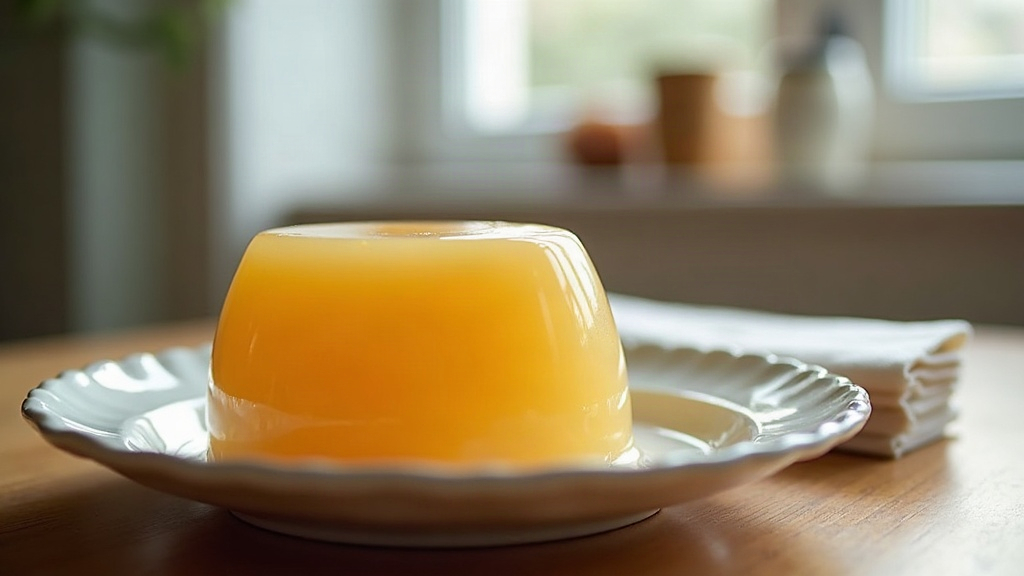
Long before wellness trends, dockworkers in small fishing ports mixed baking soda – honey gelatin into their evening routine — not as a cure, but as a habit passed from father to son.
The Gap Between What Men Expect and What Actually Happens After 50
Most routines promise transformation. Real life after 50 looks different — slower, quieter, and full of small adjustments nobody warned you about.
Mornings That Feel Different
The energy you used to count on doesn't show up the same way it did a decade ago — and that shift can be disorienting.
Sleep That Doesn't Reset You
Nights feel shorter, mornings feel heavier. Many men notice this long before they talk about it.
A Body That Responds Slower
Old routines stop giving the same feedback, and it's easy to assume something is wrong rather than simply different.
Focus That Comes and Goes
Concentration that used to last all afternoon now seems to need more breaks — and more patience.
A Simple, Old-Fashioned Routine — Not a Fix, Just a Habit
This isn’t a program. It’s closer to what men in small fishing communities practiced quietly, evening after evening.
Notice the Evening Pause
Before dinner, before the day fully winds down — a small window historically used for a simple ritual.
Prepare It Plainly
A modest mixture, nothing elaborate: baking soda – honey gelatin stirred together, the way it was done long before measuring apps existed.
Keep It Consistent
The tradition was never about intensity. It was about repeating something small, night after night, without much fuss.
Myths That Keep Getting Repeated — And What's Actually True
Old traditions attract exaggeration. Here’s a plainer look at some common claims.
This ritual was designed to melt fat overnight.
Historical accounts describe it as an evening habit tied to routine and comfort — not a fat-loss method.
Only expensive, modern supplements have any tradition behind them.
Simple kitchen combinations like baking soda – honey gelatin were passed down long before the supplement industry existed.
If a habit is old, it must be outdated or irrelevant.
Some traditions persist for generations simply because they were easy to repeat — not because they were revolutionary.
Where This Tradition Actually Comes From
In small fishing ports, evenings followed a rhythm shaped by tides, not clocks. After the boats returned, households leaned on modest, shelf-stable ingredients — baking soda, honey, and gelatin among them. These weren’t specialty items; they were what was already in the kitchen. The combination became part of a nightly wind-down, repeated so often it eventually became tradition rather than choice.
The insight isn’t in the ingredients themselves — it’s in the consistency. Small ports didn’t have access to modern routines, so they relied on repetition instead.
Signs Worth Paying Attention To — Not Ignoring
Persistent Fatigue That Doesn't Improve With Rest
If tiredness lingers regardless of sleep, it's worth mentioning to a healthcare professional rather than adjusting a routine alone.
Sudden Changes in Appetite or Digestion
Any abrupt shift deserves a conversation with a doctor, not a home remedy.
Unexplained Weight Changes
Rapid changes in either direction are signals to check with a medical provider.
New or Worsening Joint Discomfort
Discomfort that escalates quickly shouldn't be self-managed indefinitely.
Irregular Heart Rate or Breathing
These symptoms warrant prompt medical attention, not adjustment of a nightly habit.
Mood Shifts That Feel Out of Character
Persistent changes in mood are worth discussing with a professional, especially after 50.
What Some Readers Have Shared

Illustrative composite examples. Individual results vary. Not a guarantee.
Common Questions From Readers
No. It is discussed here strictly as a historical, cultural habit — not a treatment, cure, or medical intervention.
Accounts trace it to small fishing communities that relied on simple, shelf-stable kitchen staples for nightly routines.
The tradition was based on consistency, but this article is educational — any personal routine should be discussed with a healthcare provider.
This content is educational and historical in nature. It does not present clinical research or medical claims.
No. Nothing here should replace guidance from a licensed healthcare professional.
Historically, households used what was accessible and affordable — plain, shelf-stable staples were common for that reason.
Historical accounts vary. This article focuses on the tradition itself rather than prescribing an exact method.
Curious Enough to Keep Reading?
This page only scratches the surface of the tradition behind baking soda – honey gelatin. If you’d like to see the fuller story readers have been sharing, continue below.
Advertising Disclosure: This page contains sponsored content and affiliate links. We may receive compensation if you click a link or make a purchase through the links provided. This compensation does not influence our editorial content or opinions.
Content Disclaimer: This content is for educational and informational purposes only. It has not been evaluated by the FDA and is not intended to diagnose, treat, cure, or prevent any disease. Always consult a qualified healthcare professional before making changes to your health routine.
Results Disclaimer: Individual results vary. Testimonials and examples shared on this page are illustrative and not a guarantee of any outcome.
© 2026 fabricantesassociados.com · All Rights Reserved · Contact: /contact/